
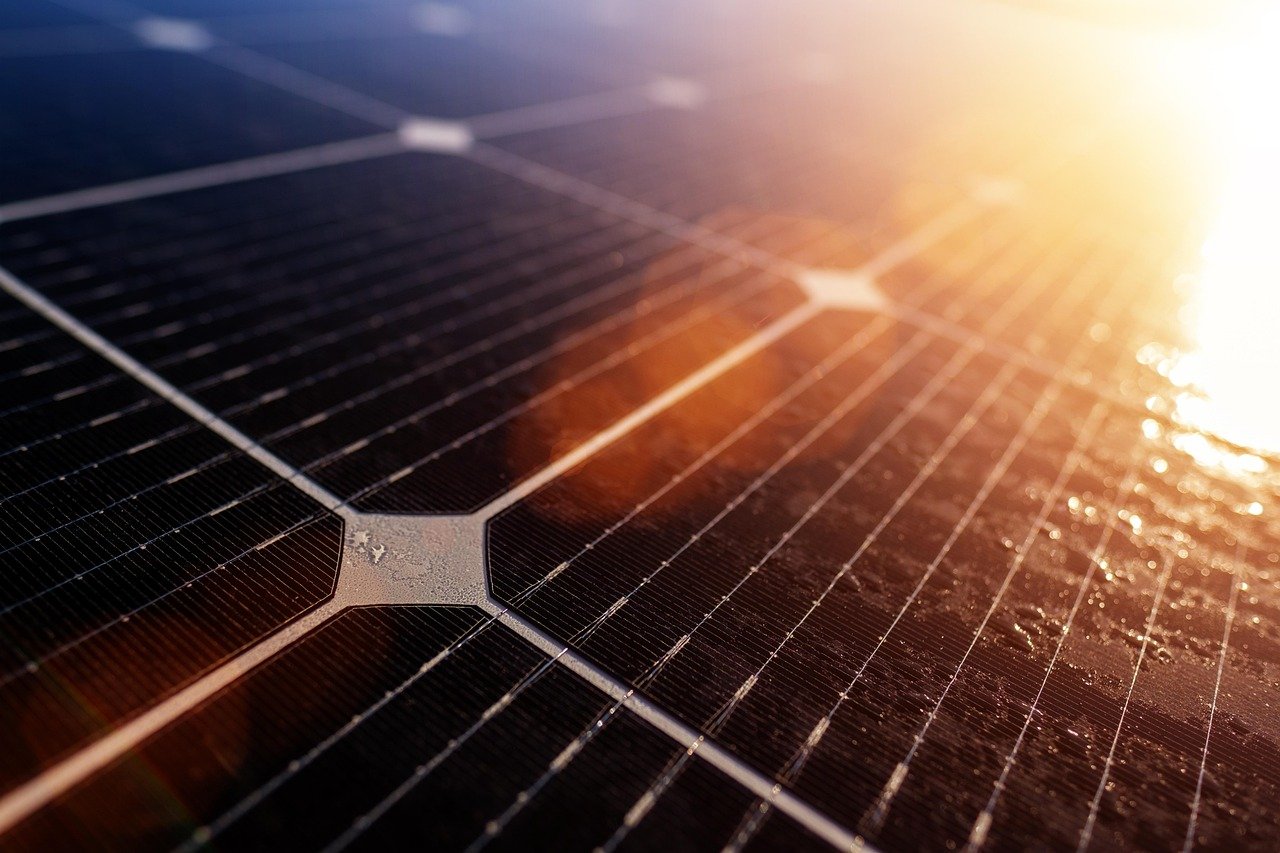
If you’re keen to introduce solar panels to your property in 2026, you’re not alone. Rising energy costs, net zero targets and advances in technology are reshaping how homes and businesses generate electricity.
Our solar PV installers are proud of our role in improving how the country produces cleaner energy. But what is the future likely to hold for the installation process?
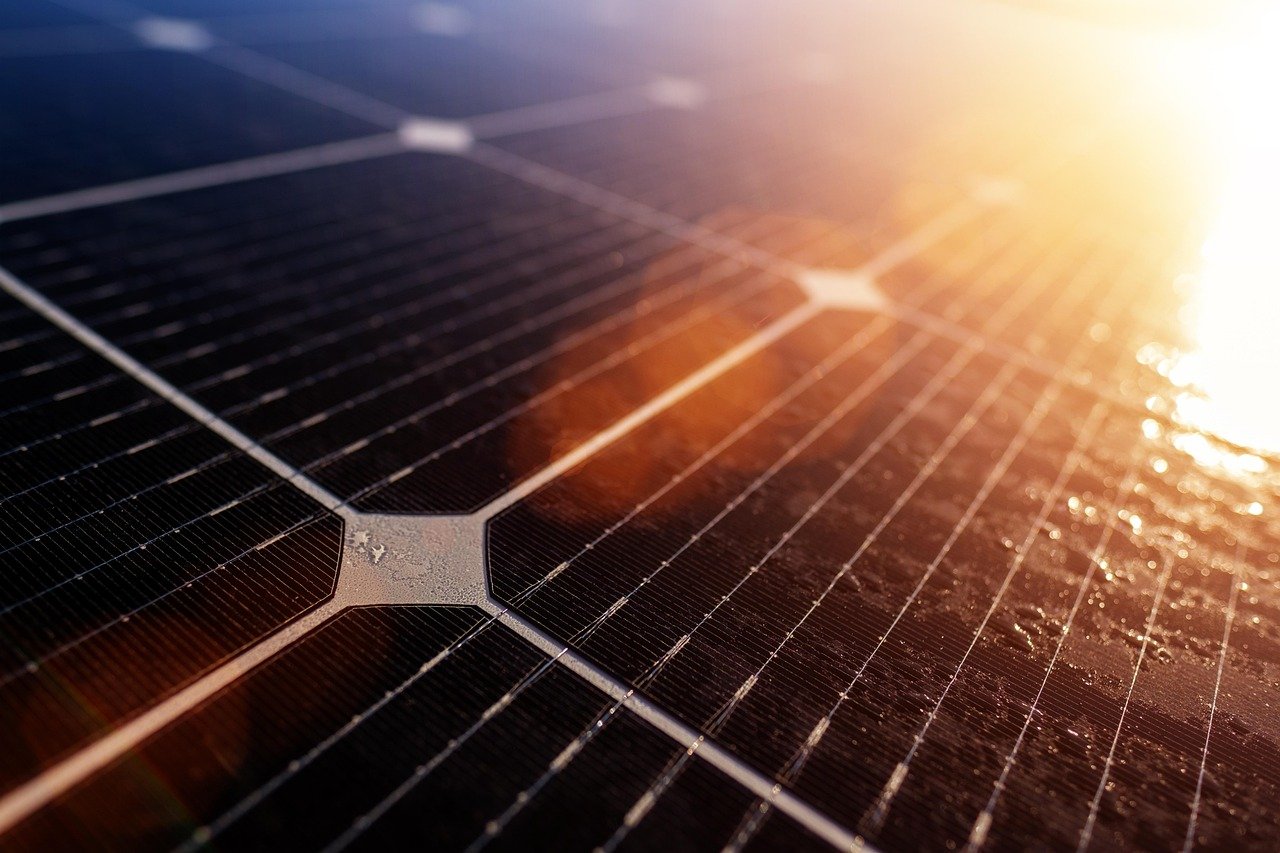
Solar PV Installers Will Design Complete Energy Systems
Traditionally, solar PV installers focused on generating electricity during daylight hours. In the coming years, the emphasis will move towards designing fully integrated energy systems.
Solar panels will increasingly be installed alongside battery storage, EV chargers and air source heat pumps. Rather than treating each technology as a standalone product, solar PV installers will design systems that work together to maximise efficiency and self-consumption.
For homeowners, this means more control over when and how energy is used. For businesses, it means greater predictability and protection from volatile energy prices. Installers who understand how these technologies interact will be in high demand.
Battery Storage Will Become the Norm
One of the biggest changes ahead is the widespread adoption of battery storage. As electricity prices fluctuate throughout the day, storing solar energy for use in the evening or overnight will make increasing financial sense.
Over the next 10 years, solar PV installers will treat batteries as a standard part of system design rather than an optional extra. Installers will also need deeper expertise in battery sizing, usage patterns and future expansion, ensuring systems can adapt as energy needs change.
As battery technology improves and costs continue to fall, homeowners and businesses will expect solutions that support long-term energy independence.
Smart Energy and Monitoring Will Drive Better Performance
Smart technology will play a much bigger role in solar installations. Advanced monitoring systems already allow people to track generation and usage in real time. In the future, this data will be used to automate energy decisions.
Solar PV installers will increasingly set up systems that prioritise self-consumption, charge batteries when tariffs are low and export electricity when rates are higher. This shift will turn solar PV systems into intelligent energy assets rather than passive installations.
Jem Energy is always happy to explain these systems clearly if you want to know more.
EV Growth Will Reshape Solar PV Installations
The move towards electric vehicles will have a direct impact on solar PV installers. As more households and businesses switch to EVs, demand for home and workplace charging will grow.
Solar PV installers will be expected to design systems that support EV charging using solar power, reducing running costs and easing pressure on the grid. This may include smart chargers that work alongside batteries and time-of-use tariffs.
In the next decade, solar panels and EV chargers are likely to be installed together as standard, especially on new builds and major refurbishments.
Higher Standards and Professionalism Across the Industry
As solar adoption increases, so will regulation and consumer expectations. Solar PV installers will need to meet higher standards around system performance, safety and transparency.
Customers will increasingly look for MCS-certified installers, like Jem Energy, with proven experience, clear warranties and ongoing support. Poor workmanship and rushed installations will be less tolerated as awareness grows.
Local Solar PV Installers Will Gain an Advantage
While national providers will continue to operate, local solar PV installers are well placed to thrive over the next 10 years. Homeowners and businesses value local knowledge, quicker response times and installers who understand regional grid constraints and planning requirements.
Local installers are also better positioned to provide aftercare, system upgrades and advice as energy needs evolve. As systems become more complex, long-term support will matter just as much as the initial installation.
Solar PV Will Support the UK’s Net Zero Targets
The UK’s commitment to net zero by 2050 means solar power will play a growing role in national energy supply. Solar PV installers will be essential in delivering this transition at a local level.
From residential rooftops to commercial buildings and community projects, installers will help reduce carbon emissions while supporting energy security. Over time, solar PV will become a normal part of buildings rather than an optional upgrade.
Installers who align their work with sustainability goals and clearly communicate environmental benefits will resonate with both homeowners and businesses.
The Future Is Integrated, Smart and Customer-Focused
The next 10 years will likely transform our role as solar PV installers. The focus will move away from single installations and towards intelligent, integrated energy solutions tailored to each property.
Successful installers will combine technical expertise with clear communication, honest advice and long-term thinking. They will help customers understand not just how solar works today, but how their systems can evolve in the future.
For homeowners and businesses alike, choosing experienced solar PV installers will be key to unlocking the full benefits of renewable energy in the decade ahead.
If you’re ready to introduce solar panels to your property, simply contact our team today.